Circular Business Models (CBMs) offer an alternative to the traditional “take-make-dispose” model, aiming to decouple growth from resource consumption and environmental harm. Strengthening the ambitions of the European Green Deal and the Circular Economy Action Plan, CBMs help extend product lifecycles, reduce waste, and maximise resource efficiency.
They are built on strategies like reuse, repair, remanufacturing, recycling, and Product-as-a-Service (PaaS), often supported by reverse logistics and digital technologies. In the furniture sector, this includes rental schemes, modular and repairable designs, and take-back programmes.
Why Circular Business Models?
The furniture industry faces major sustainability challenges: short product lifespans, limited use of recycled materials, and growing regulatory demands. CBMs offer a strategic way to respond - creating value while reducing environmental impact.

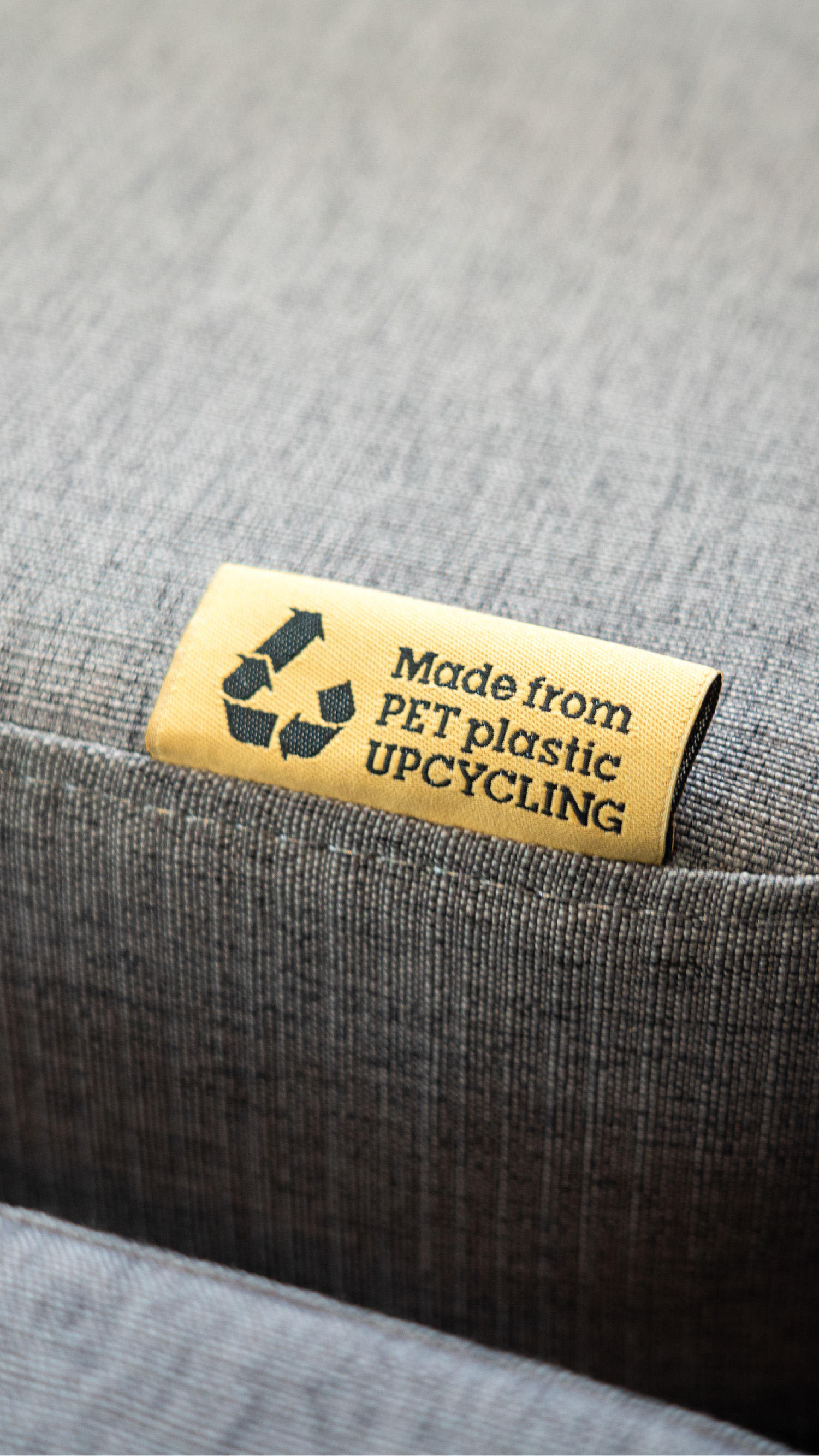
Regulations such as the Ecodesign for Sustainable Products Regulation (ESPR), the Digital Product Passport (DPP), and Extended Producer Responsibility (EPR) will soon require circular practices across the value chain.
By embracing CBMs, companies can improve competitiveness, align with EU policies, meet customer expectations, and access new green markets and funding opportunities.
How to make it happen?
Furniture companies can activate CBMs through:

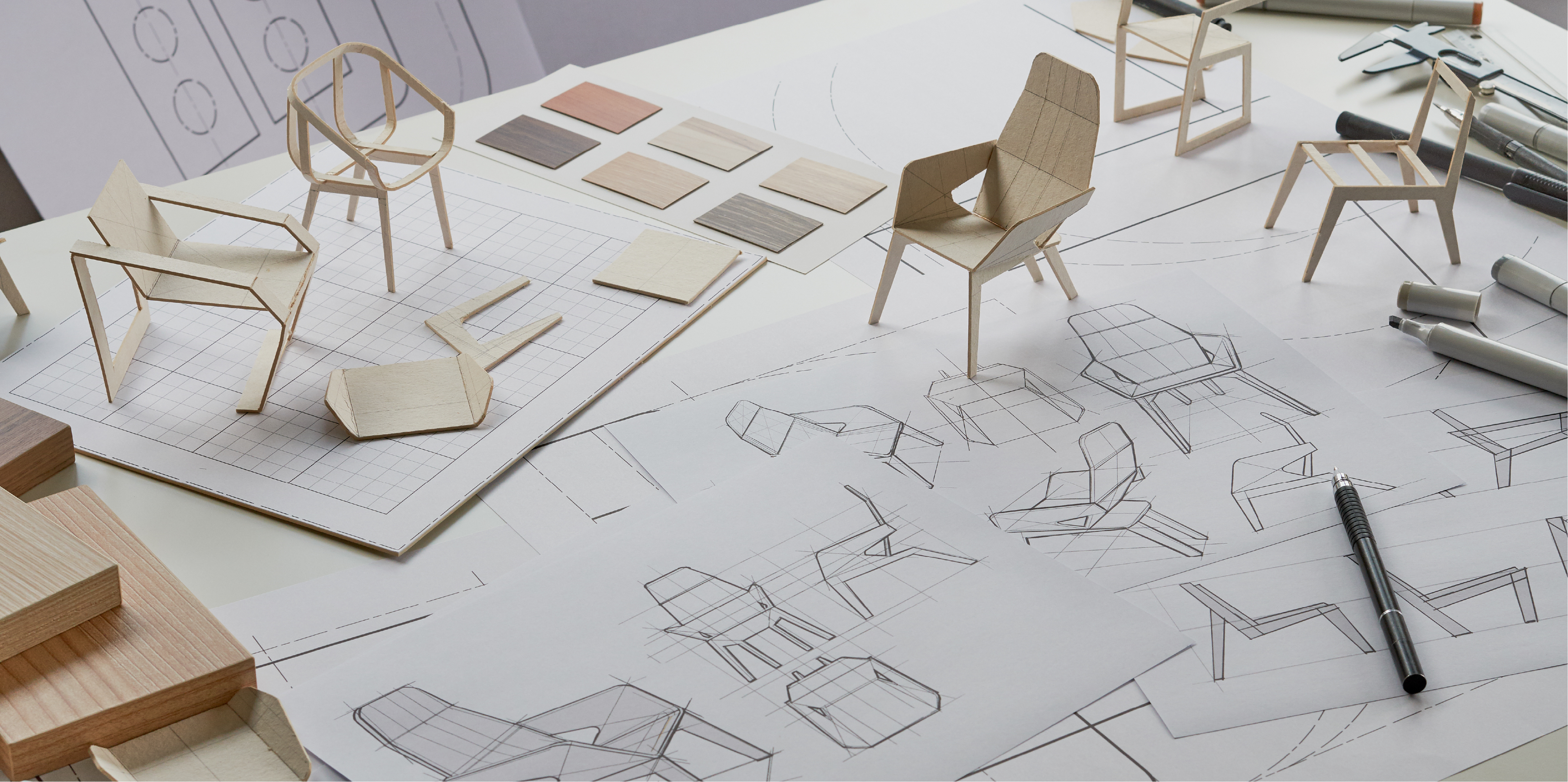
- Ecodesign and modularity
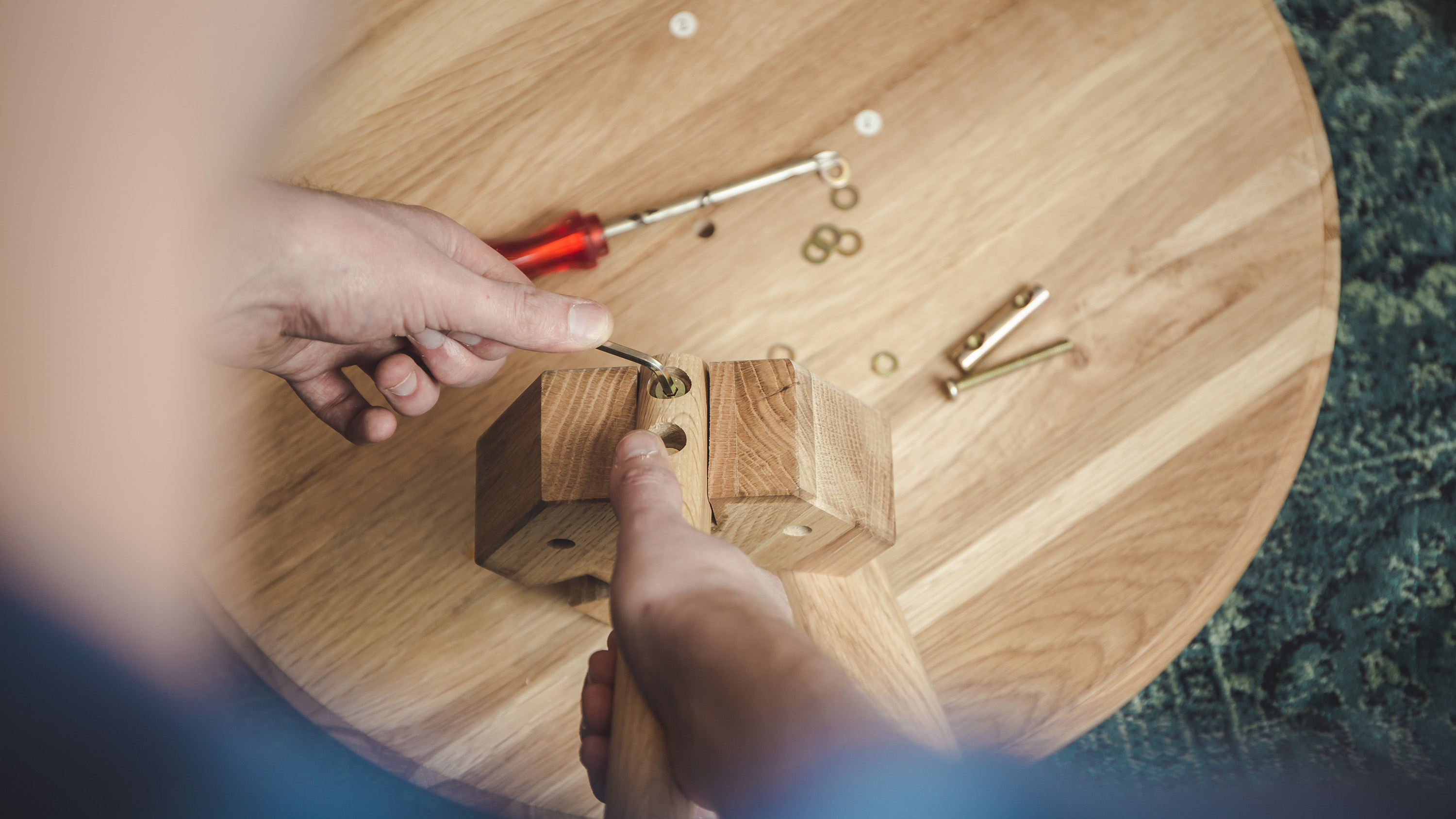
- Product repair and refurbishment
- Circular partnerships for take-back and reuse
- Digital tools for traceability and compliance (e.g . QR codes, IoT, blockchain)
Although maturity levels vary, the sector is increasingly supported by EU programmes, innovation hubs, and green public procurement. Early adopters are likely to lead in competitiveness, talent attraction, and access to sustainable finance.
FurnSERVICE supports this transition by offering practical tools, guidance, and peer-learning opportunities to help companies successfully adopt circular business models.